Introduction
Water heaters usually give warning signs before they fail completely. The problem is that many homeowners overlook those signs until there is no hot water or water is leaking onto the floor. Knowing what to watch for allows you to schedule repairs or replacement before an emergency occurs.
At Springdale Plumbing Services, we help homeowners across Springdale and Northwest Arkansas identify failing water heaters every day. Understanding these warning signs can save time, money, and stress.
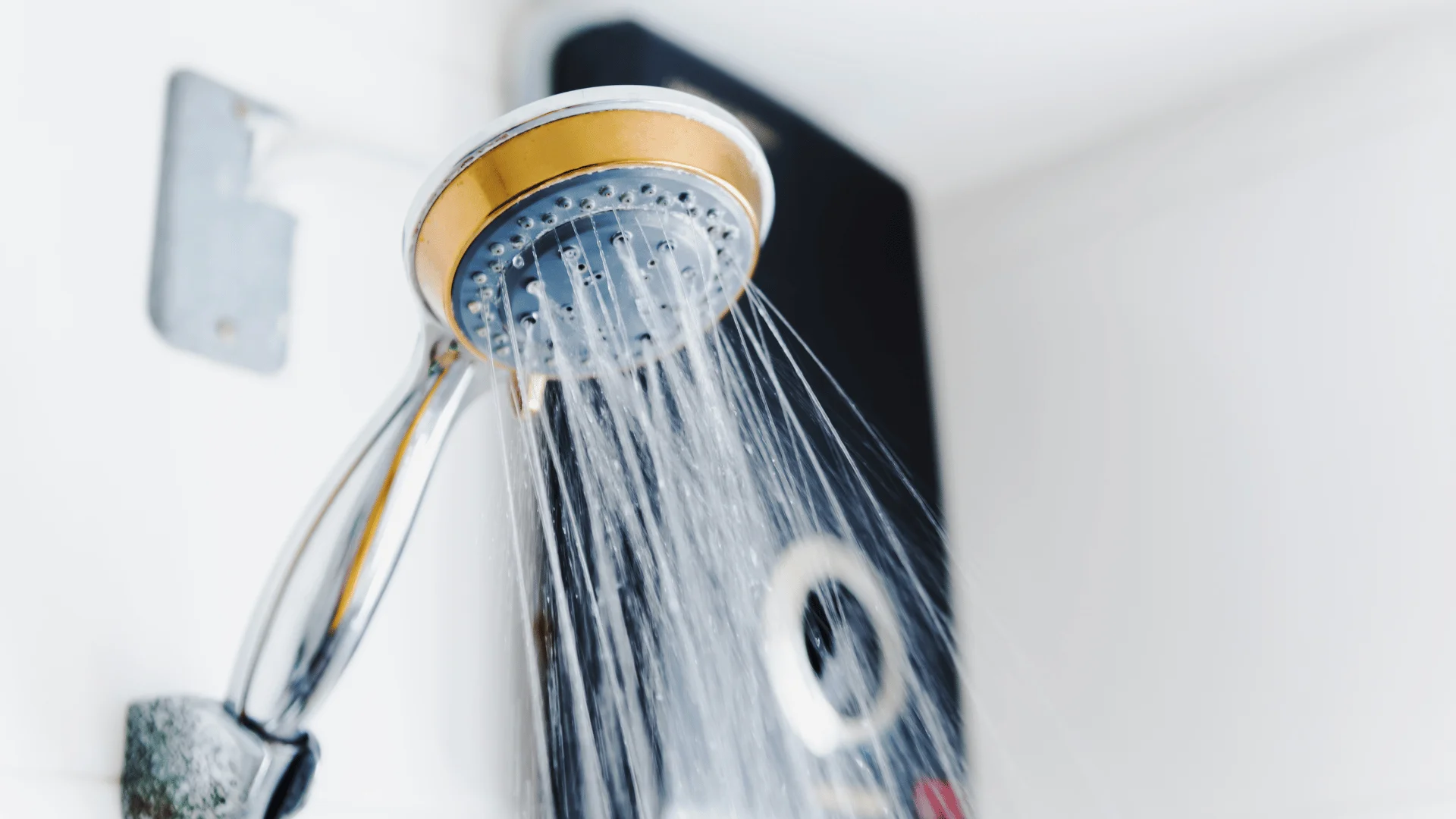
Inconsistent or Insufficient Hot Water
One of the first signs of a failing water heater is unreliable hot water. If your showers turn cold faster than they used to or water temperature fluctuates, the unit may be struggling.
Common causes include:
- Sediment buildup inside the tank
- Failing heating elements
- Worn internal components
These issues reduce efficiency and signal that the system is wearing out.
Discolored or Rusty Hot Water
Rusty or cloudy hot water often indicates corrosion inside the tank. As the tank deteriorates, rust particles mix with the water supply.
Watch for:
- Brown or reddish water from hot taps
- Metallic smell or taste
- Clear cold water but discolored hot water
Internal corrosion usually means replacement is approaching.
Unusual Noises Coming from the Unit
Popping, rumbling, or banging sounds often come from sediment buildup at the bottom of the tank. As water heats, trapped sediment causes pressure changes and noise.
These sounds suggest:
- Reduced heating efficiency
- Increased wear on the tank
- Higher energy usage
Ignoring noise allows damage to worsen over time.
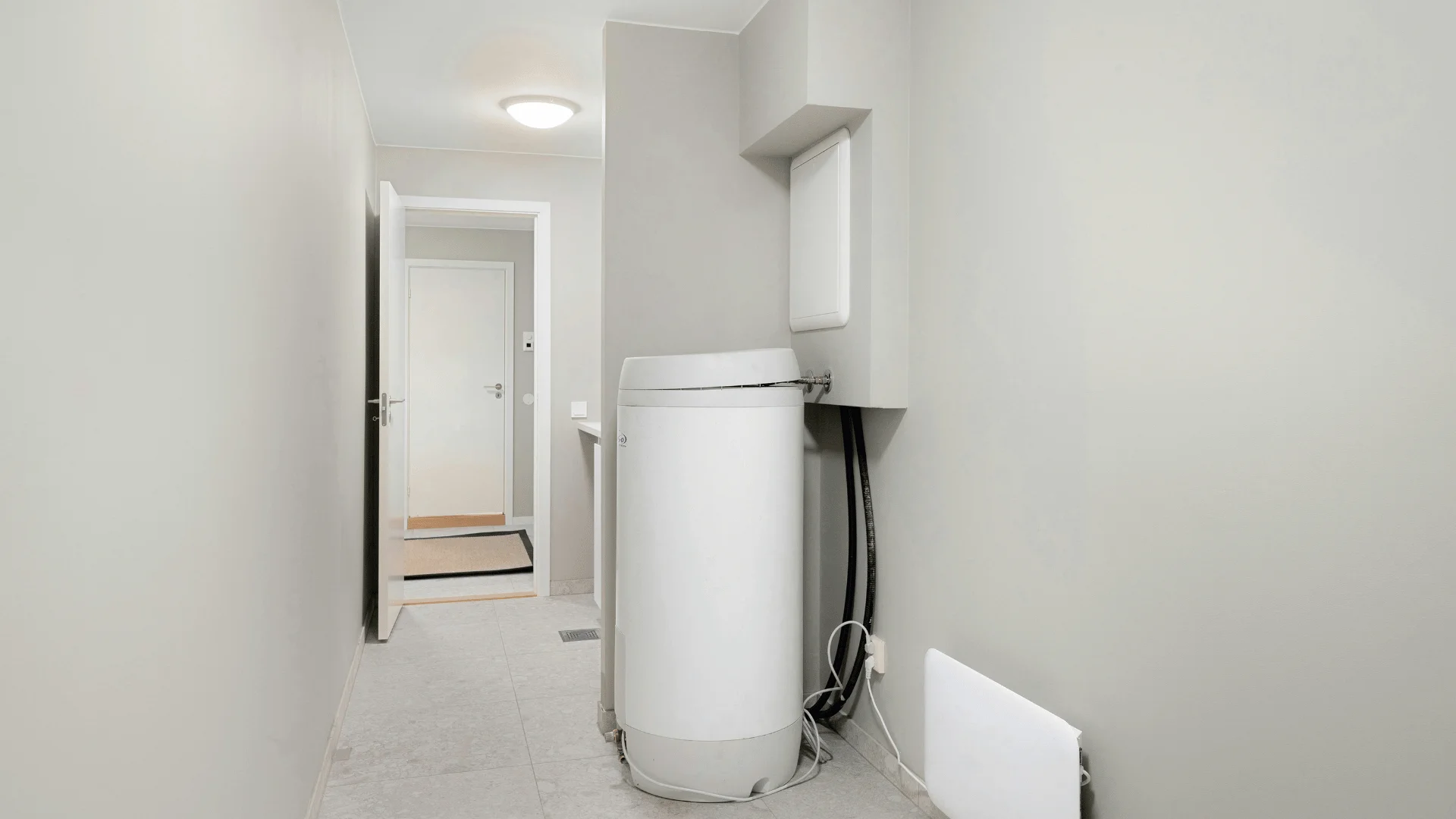
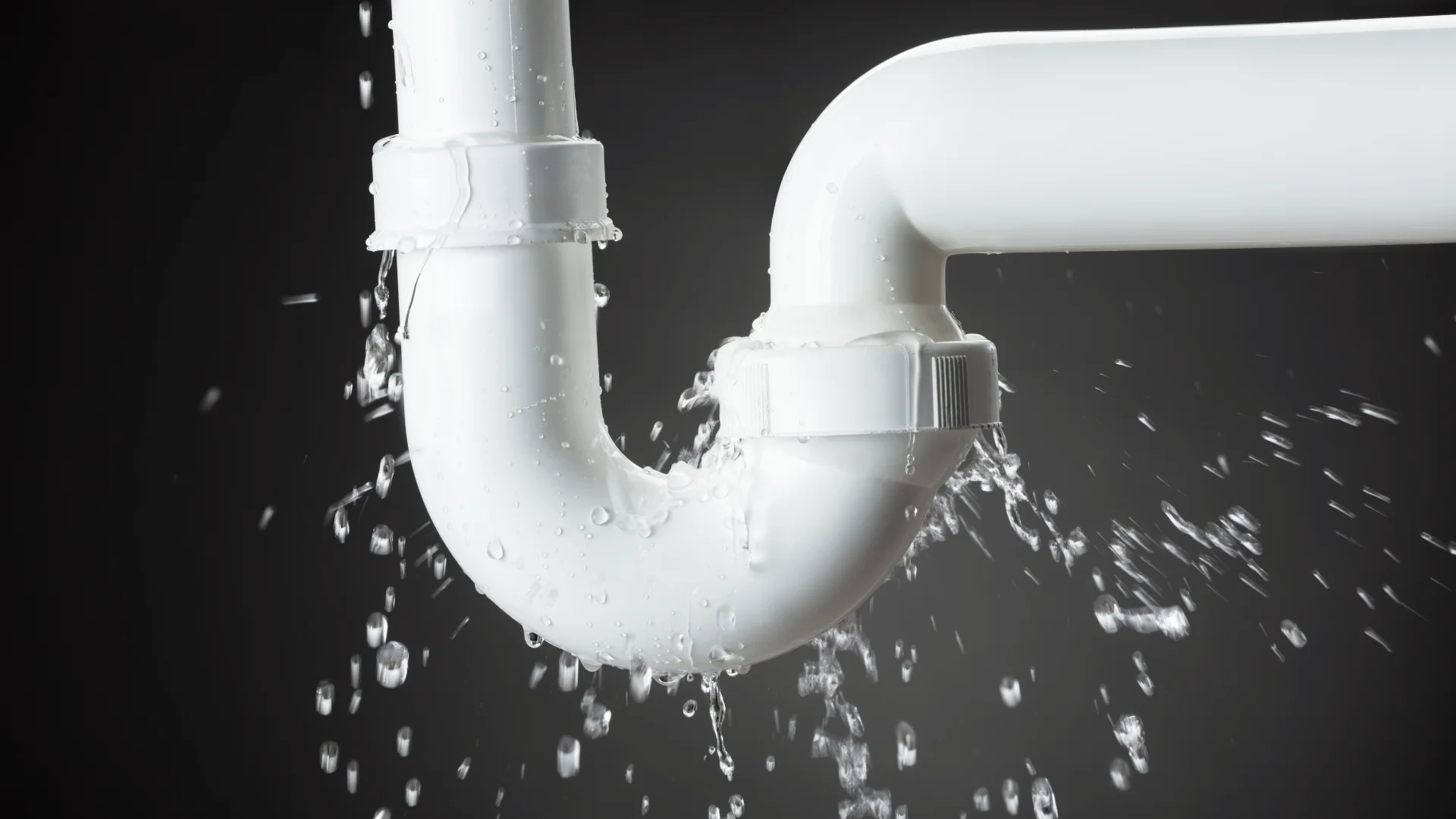
Water Leaks Around the Heater
Any water pooling around your water heater should be taken seriously. While some leaks come from loose fittings, others indicate tank failure.
Potential causes include:
- Cracked tank walls
- Failed internal seals
- Pressure relief valve issues
A leaking tank usually requires replacement, not repair.
Rising Energy Bills
An aging water heater works harder to produce the same amount of hot water. As efficiency drops, energy consumption rises.
If your utility bills increase without changes in usage, your water heater may be nearing the end of its lifespan.
Frequent Repairs
Occasional repairs are normal, but frequent service calls often signal a failing unit.
Consider replacement if:
- Repairs are becoming more frequent
- Parts are wearing out repeatedly
- The unit is nearing its expected lifespan
Replacing the unit often costs less than repeated repairs over time.
Age of the Water Heater
Most tank water heaters last 8 to 12 years. If your unit is approaching or past this range, failure becomes more likely.
You can often find the installation date on the manufacturer label. Age alone is not a problem, but combined with other signs, it is a strong indicator.
Pressure Relief Valve Discharge
If the pressure relief valve releases water frequently, it may indicate overheating or excessive pressure inside the tank.
This condition should be evaluated promptly to prevent safety risks.
When Repair Is No Longer the Best Option
Repairing a failing water heater only makes sense when the issue is minor and the unit is relatively new. Older units with corrosion or repeated issues are usually better replaced.
Newer models offer improved efficiency, reliability, and safety.
How Springdale Plumbing Services Can Help
Springdale Plumbing Services provides full water heater inspections, repairs, and replacements. Our licensed plumbers assess the condition of your unit and recommend the most cost effective solution.
We help homeowners plan replacements before emergencies occur.
Conclusion
Failing water heaters often show clear warning signs such as inconsistent hot water, noise, leaks, and rising energy costs. Recognizing these signs early helps prevent sudden breakdowns and water damage.
If you notice any of these issues, contact Springdale Plumbing Services. Our experienced plumbers will evaluate your water heater and help you choose the right next step.