Introduction
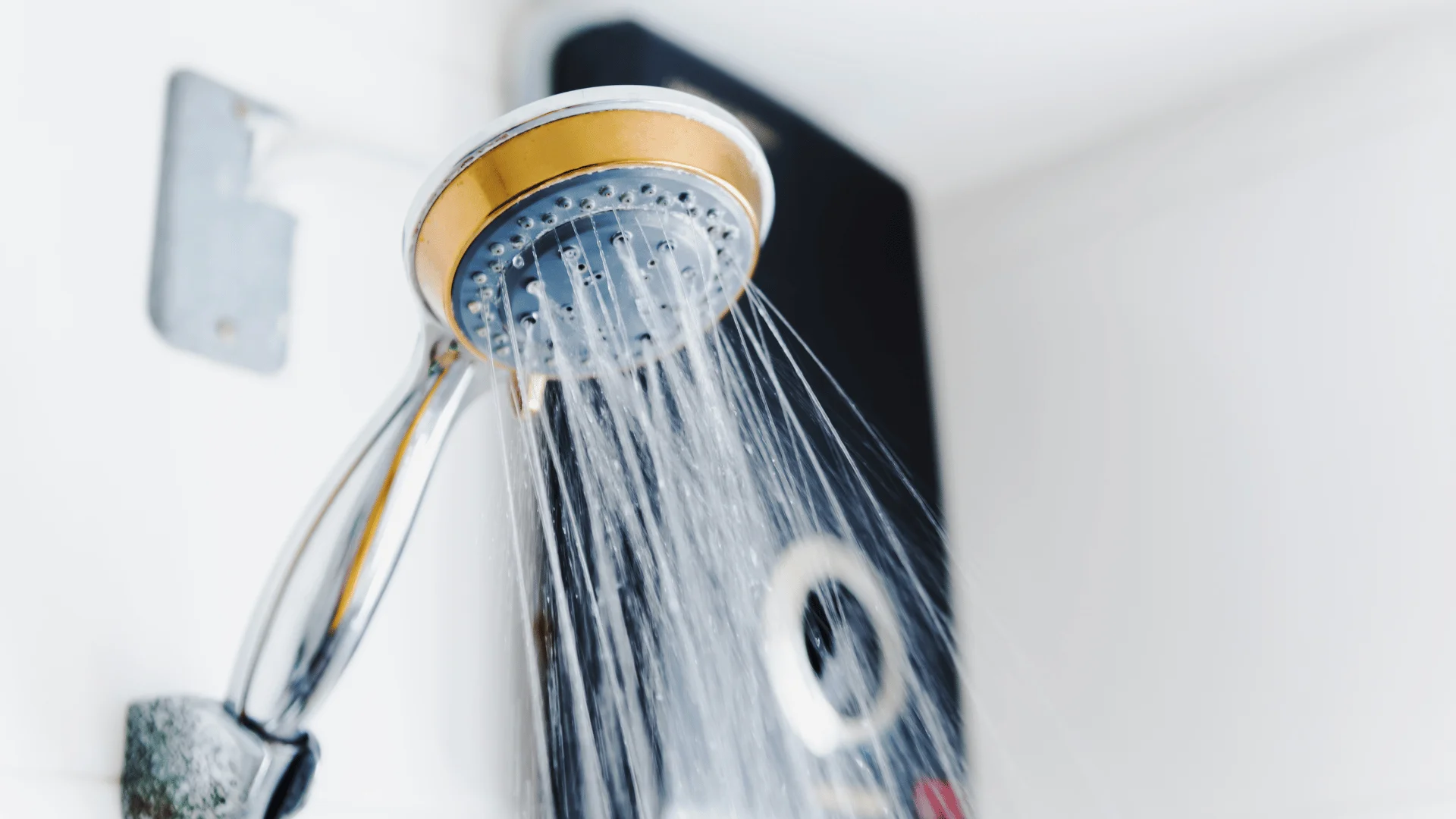
Few things are more frustrating than stepping into a hot shower only to have the water turn cold after a few minutes. Many homeowners assume this is simply the normal limitation of their water heater, but in many cases, a shower that loses hot water quickly is a sign of a plumbing or equipment problem.
Hot water systems are designed to provide a consistent supply of heated water based on the size of the tank, the heating capacity, and the demand placed on the system. When everything is functioning correctly, you should be able to take a normal shower without running out of hot water. If the hot water disappears much faster than it used to, something in the system has changed.
This issue often develops gradually. Sediment can build up in the tank over time, heating elements can wear out, and usage demands in the home can increase. Sometimes the problem is mechanical, and sometimes it is simply that the water heater was never sized correctly for the household.
Understanding the causes behind this issue can help you take the right steps to restore proper performance. When the problem is not obvious, a plumber Springdale AR residents rely on can inspect the system and recommend the best solution.
Common Reasons Showers Run Out of Hot Water Quickly
Several factors can reduce the amount of hot water available in your home. Some issues are directly related to the water heater itself, while others involve plumbing components, fixture performance, or household usage patterns.
The most common causes include:
- Sediment buildup in the water heater tank
- Failing heating elements or burners
- An undersized water heater
- Thermostat problems
- Mixing valve issues
- High simultaneous hot water demand
Sediment Buildup Inside the Water Heater
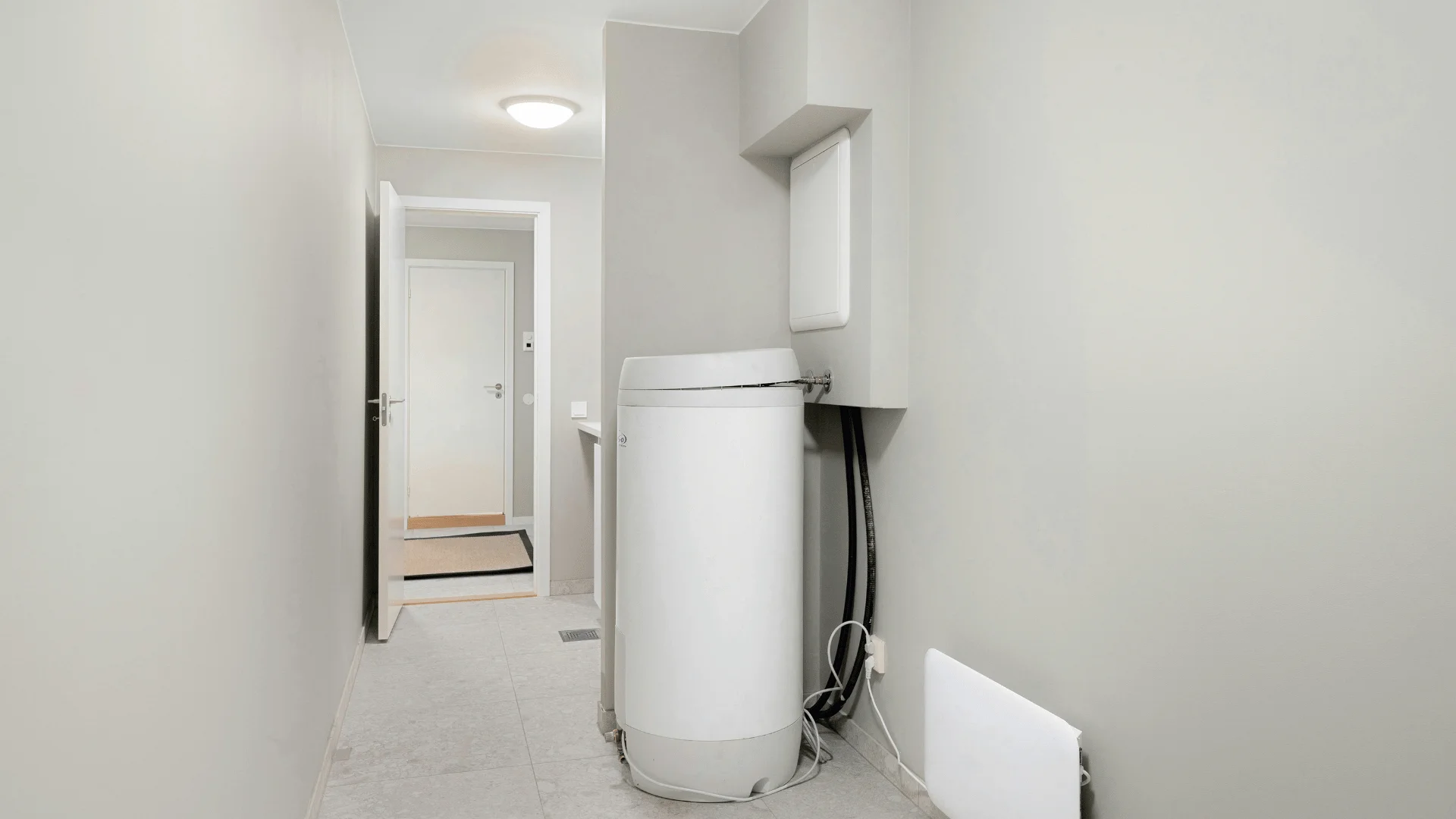
One of the most common causes of reduced hot water supply is sediment buildup inside the tank. Water naturally contains minerals such as calcium and magnesium. Over time, these minerals settle to the bottom of the tank and form a thick layer of sediment.
This sediment acts as an insulating barrier between the heating element or burner and the water above it. Instead of heating the full tank efficiently, the system must work harder to heat a smaller usable portion of the water.
Failing Heating Elements or Burners
Electric water heaters rely on heating elements, while gas models use burners. If one of these components begins to fail, the water heater may only heat part of the tank or may struggle to reach the desired temperature.
Water Heater Is Too Small for the Household
Sometimes the issue is not mechanical at all. The water heater may simply be too small for the home’s needs. As families grow or daily routines change, hot water demand often increases.
Thermostat Problems
The thermostat controls the temperature of the water inside the tank. If it is set too low or begins to malfunction, the heater may not reach the desired temperature.
Mixing Valve Issues
Some homes have mixing valves that blend hot and cold water before it reaches the fixtures. If the mixing valve malfunctions, it may allow too much cold water into the hot water line.
High Hot Water Demand in the Home
In many cases, the water heater itself is working properly, but the demand in the home is simply too high.
How to Improve Hot Water Performance
Possible solutions include:
- Flushing the water heater tank
- Replacing faulty heating elements
- Adjusting the thermostat
- Repairing mixing valves
- Upgrading to a larger water heater
When to Call a Professional
You should contact a plumber if:
- Hot water runs out much faster than before
- The water temperature is inconsistent
- The water heater makes unusual noises
Conclusion
A shower that loses hot water quickly is usually a sign of sediment buildup, failing components, or a system that is too small for the household. If your hot water supply is not lasting as long as it should, contact Springdale Plumbing Services.