Introduction
When a drain backs up, many homeowners reach for a chemical drain cleaner hoping for a quick fix. These products promise fast results, but they rarely explain the potential risks. While chemical cleaners may seem convenient, they can create serious plumbing issues if used improperly or too often.
At Springdale Plumbing Services, we frequently repair damage caused by chemical drain cleaners. Understanding how these products work and their risks helps homeowners make safer choices.
How Chemical Drain Cleaners Work
Most chemical drain cleaners rely on strong reactions to break down clogs. They typically fall into three categories.
Common types include:
- Caustic cleaners that use lye to dissolve grease and organic material
- Oxidizing cleaners that create heat through chemical reactions
- Acid based cleaners that burn through buildup
These reactions generate heat and pressure inside the pipe, which is where many problems begin.
Why Chemical Drain Cleaners Can Be Dangerous
Chemical cleaners are harsh by design. While they may break down some clogs, they can also damage plumbing materials.
Potential risks include:
- Softening or warping plastic pipes
- Corroding metal pipes over time
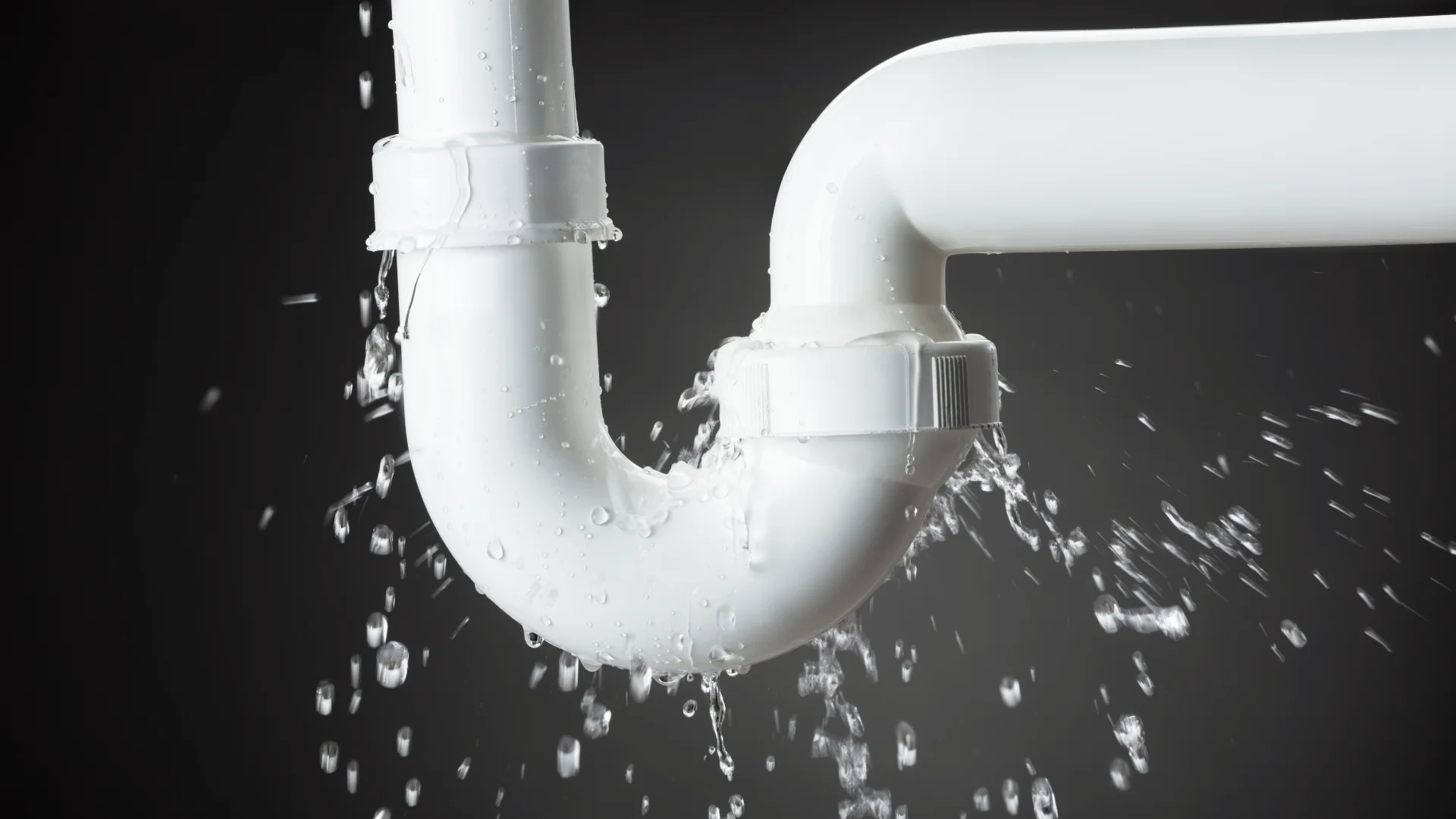
- Weakening pipe joints and seals
- Causing cracks in older plumbing systems
Repeated use increases the likelihood of long term damage.
Safety Hazards for Homeowners
Beyond plumbing damage, chemical drain cleaners pose safety risks.
Hazards include:
- Skin burns from splashes
- Toxic fumes that irritate lungs and eyes
- Dangerous reactions if mixed with other cleaners
- Burns caused by heat generated inside the drain
Improper handling can result in serious injury.
Why Chemical Cleaners Often Fail
Most drain cleaners only affect the area they reach directly. If the clog is deep in the pipe or caused by tree roots, grease buildup, or collapsed piping, chemicals will not solve the problem.
Common reasons for failure include:
- Partial clogs that quickly return
- Grease buildup that hardens further down the line
- Hair and debris trapped beyond reach
- Structural pipe issues
Temporary relief often leads to repeated use and more damage.
Risks to Septic Systems
Chemical drain cleaners are especially harmful to septic systems. They can kill beneficial bacteria that break down waste, leading to system imbalance and costly repairs.
Homeowners with septic systems should avoid chemical cleaners entirely.
Safer Alternatives for Minor Clogs
For small, localized clogs, safer options exist.
Alternatives include:
- Plungers used correctly
- Manual drain snakes
- Hot water and dish soap for grease buildup
- Routine drain maintenance
If these methods do not work, the issue is likely more serious.
Professional Drain Cleaning Solutions
Licensed plumbers use methods that clear clogs without damaging pipes.
At Springdale Plumbing Services, we use:
- Mechanical augers to break up blockages
- Camera inspections to locate the cause
- High pressure water cleaning for heavy buildup
These methods remove the clog while preserving pipe integrity.
When to Call a Plumber Instead of Using Chemicals
You should contact a professional if:
- Clogs return frequently
- Multiple drains are slow or backed up
- You smell sewage odors
- Water backs up into tubs or floor drains
These signs often point to deeper plumbing issues that chemicals cannot fix.
Why Professional Diagnosis Matters
Every clog has a cause. Treating symptoms without identifying the root problem leads to repeated issues and higher repair costs.
Our plumbers focus on diagnosing the cause, not just clearing the blockage.
Conclusion
Chemical drain cleaners are rarely the safest or most effective solution. While they may offer temporary relief, they often damage pipes, pose safety risks, and fail to solve underlying problems.
If you are dealing with slow drains or repeated clogs, contact Springdale Plumbing Services. Our experienced plumbers will provide a safe, long lasting solution that protects your plumbing system.