Introduction
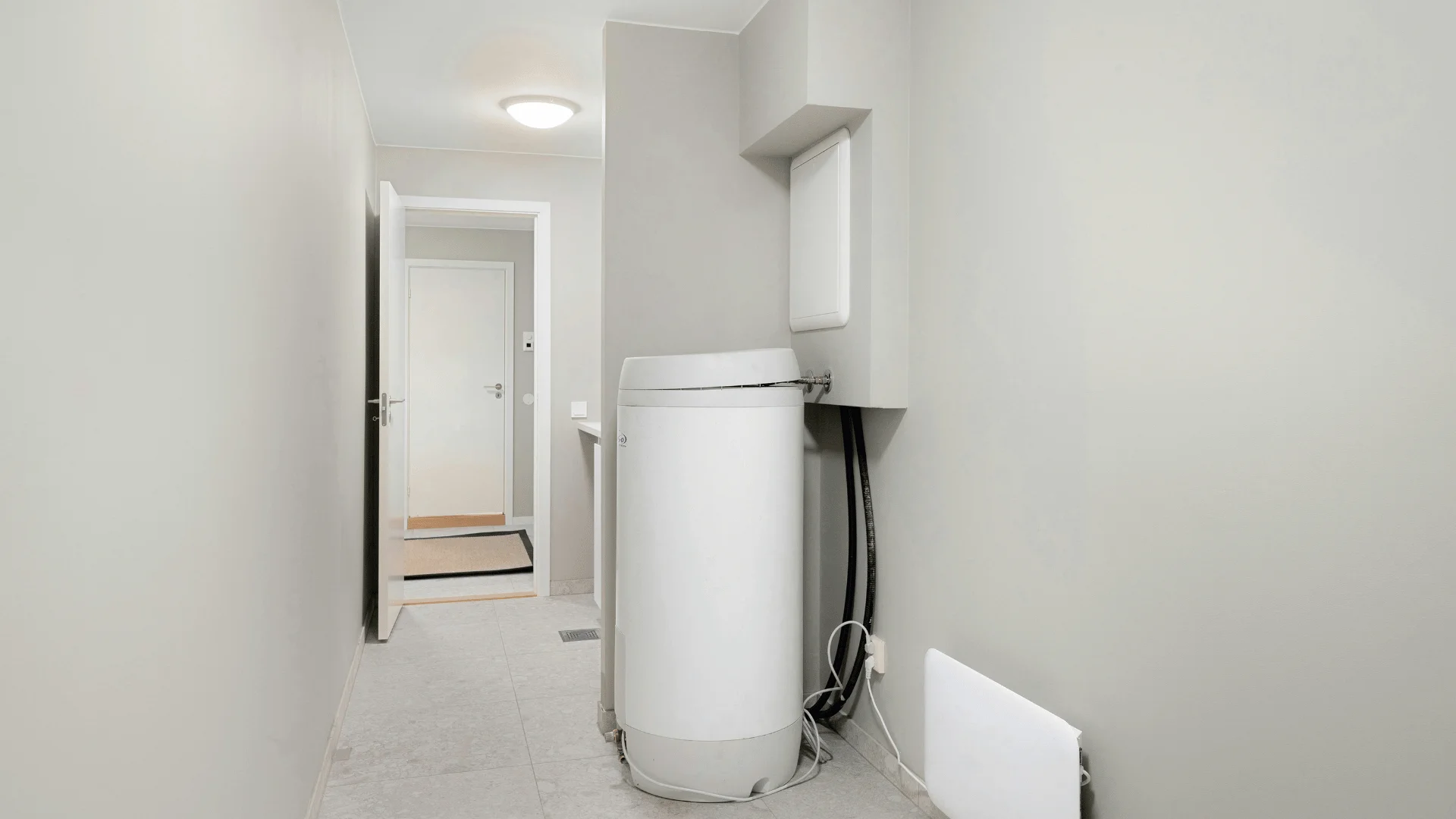
If your water heater has started making popping or rumbling noises, it is usually a sign that something inside the tank is not working as it should. Many homeowners notice these sounds when the heater is actively warming the water. At first, the noise may be occasional, but over time it often becomes louder and more frequent.
These sounds are rarely harmless. In most cases, popping noises indicate sediment buildup inside the tank. This buildup can reduce efficiency, shorten the lifespan of the unit, and eventually lead to costly repairs. A local plumber can inspect the system, remove the sediment, and restore the heater’s performance.
What Causes the Popping Sound
The popping sound usually comes from hardened sediment at the bottom of the tank. Water heaters constantly heat and cool water, and minerals in the water naturally settle at the base of the tank over time.
As the sediment layer thickens, it traps small pockets of water beneath it. When the heater turns on, that trapped water becomes extremely hot. Eventually, the pressure forces the hot water through the sediment layer, creating the popping or rumbling noise you hear.
Why Sediment Builds Up in Water Heaters
Most municipal water supplies contain dissolved minerals such as calcium and magnesium. When water is heated, these minerals separate from the water and settle to the bottom of the tank.
Over months and years, this sediment layer grows thicker. Without regular maintenance, it can become several inches deep.
Factors that accelerate sediment buildup include:
- Hard water with high mineral content
- High water heater temperatures
- Lack of regular flushing
- Older water heater tanks
How Sediment Affects Water Heater Performance
Sediment buildup does more than create noise. It also interferes with the heater’s ability to operate efficiently.
When a thick sediment layer forms, it creates a barrier between the heating element or burner and the water. This forces the heater to work harder and run longer to reach the desired temperature.
Common effects of sediment buildup include:
- Higher energy bills
- Longer heating times
- Reduced hot water capacity
- Overheating of internal components
Risk of Tank Damage
As sediment continues to build up, it can trap heat at the bottom of the tank. This excess heat can weaken the metal and cause the tank to deteriorate faster.
In severe cases, the bottom of the tank may develop cracks or leaks. Once the tank itself is damaged, replacement is usually the only option.
Other Causes of Water Heater Noises
While sediment is the most common cause, other issues can also produce unusual noises.
These may include:
- Expanding and contracting metal parts
- High water pressure
- Loose internal components
- Failing heating elements
Signs Your Water Heater Needs Maintenance
Popping sounds are only one sign that a water heater needs attention. Other symptoms may appear as the unit becomes less efficient.
Warning signs include:
- Hot water running out faster than usual
- Rust colored water
- Fluctuating water temperatures
- Increased energy bills
- Leaks around the tank
How Flushing the Tank Solves the Problem
Flushing the water heater is the most common solution for sediment buildup. This process removes the accumulated minerals and debris from the bottom of the tank.
During a professional flush:
- The water supply is turned off
- The tank is drained completely
- Sediment is flushed out
- The tank is refilled and tested
How Often Should a Water Heater Be Flushed
Most water heaters should be flushed once a year. Homes with hard water may need more frequent maintenance.
Regular flushing helps:
- Prevent sediment buildup
- Maintain heating efficiency
- Extend the life of the tank
- Reduce noise and overheating
When Replacement May Be Necessary
If the water heater is older and has never been flushed, the sediment layer may be too thick to remove safely. In these cases, flushing the tank can sometimes expose weak spots or cause leaks.
Water heaters typically last between 8 and 12 years. If your unit is nearing the end of its lifespan and making loud noises, replacement may be the better long term solution.
When to Call a Professional
While some homeowners attempt to flush their own water heaters, professional service is often safer and more effective.
You should call a plumber if:
- The popping noise is getting louder
- The heater has not been flushed in years
- There are signs of leaks or rust
- The unit is over 8 years old
Conclusion
Popping noises from a water heater are usually caused by sediment buildup at the bottom of the tank. This buildup reduces efficiency, increases energy costs, and can eventually damage the unit.
Regular maintenance, including annual flushing, helps keep your water heater running smoothly and quietly. If your water heater is making unusual noises, contact Springdale Plumbing Services. A local plumber can inspect the system and restore reliable hot water to your home.