Introduction
Frozen pipes are a serious concern during cold weather, especially when temperatures drop below freezing for extended periods. Water expands as it freezes, and that expansion places enormous pressure on the pipe walls. When the pressure becomes too great, the pipe can crack or burst, leading to major water damage once the ice thaws.
Many homeowners do not realize a pipe is frozen until the water flow stops completely. Others may notice frost on the pipe, strange odors, or unusual sounds in the plumbing system. Acting quickly and correctly can prevent a frozen pipe from turning into a costly emergency. If the situation becomes more serious, a local plumber can step in and make the necessary repairs.
How Pipes Freeze
Pipes typically freeze when they are exposed to cold air for long periods. This often occurs in unheated areas such as basements, crawl spaces, garages, or exterior walls. When the temperature inside the pipe drops below freezing, the water begins to turn to ice.
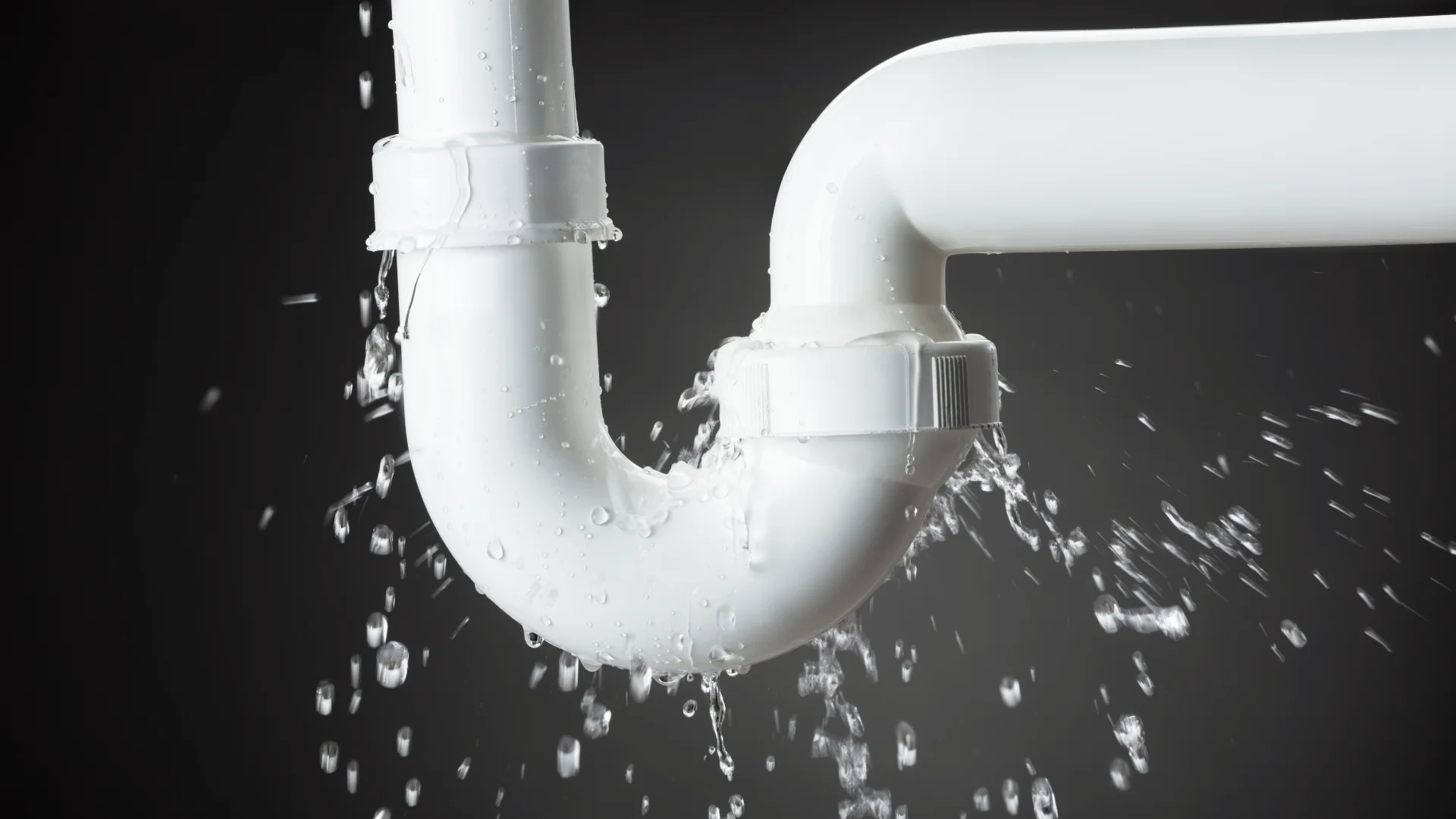
As the ice forms, it expands and pushes against the inner walls of the pipe. This pressure builds up between the ice blockage and the closed faucet. Eventually, the pressure becomes too great, and the pipe splits or bursts.
Common locations where pipes freeze include:
- Exterior walls
- Crawl spaces
- Attics
- Uninsulated basements
- Outdoor hose bibs
Understanding where pipes are most vulnerable can help prevent future problems.
Signs a Pipe May Be Frozen
Recognizing the early signs of a frozen pipe can help you take action before it bursts. In many cases, the warning signs appear before the pipe is completely blocked.
Common signs include:
- Little or no water coming from a faucet
- Frost forming on exposed pipes
- Unusual odors from drains or faucets
- Strange sounds when turning on the water
If you notice any of these symptoms, it is important to act quickly.
Steps to Take When You Discover a Frozen Pipe
If you suspect a pipe is frozen, the first step is to remain calm and take a methodical approach. Acting too quickly or using the wrong methods can cause more damage.
Follow these steps:
- Turn on the affected faucet slightly. This relieves pressure and allows water to flow as the ice melts.
- Locate the frozen section of the pipe. Look for frost, bulging areas, or sections exposed to cold air.
- Apply gentle heat to the frozen area. Use a hair dryer, heating pad, or warm towels.
- Continue applying heat until water flow returns to normal.
Never use open flames or high heat sources to thaw a pipe, as this can damage the pipe or start a fire.
What to Do If the Pipe Has Burst
If a frozen pipe has already burst, immediate action is necessary to prevent water damage.
Follow these steps:
- Shut off the main water supply to the home
- Turn off electricity in affected areas if water is present
- Drain the plumbing system by opening faucets
- Call a local plumber for emergency repairs
A professional can repair the damaged pipe and inspect the system for additional problems.
Why Frozen Pipes Often Burst After Thawing
Many homeowners assume the pipe bursts while it is frozen solid. In reality, the pipe often cracks while frozen but does not leak until the ice begins to thaw.
When the ice melts, water starts flowing through the damaged section of the pipe. This is when leaks or flooding typically occur. That is why it is important to inspect pipes carefully during the thawing process.
How to Safely Thaw Frozen Pipes
Thawing a frozen pipe requires patience and controlled heat. The goal is to melt the ice slowly without causing thermal shock or additional damage.
Safe thawing methods include:
- Hair dryers
- Electric heating pads
- Space heaters placed at a safe distance
- Warm, damp towels wrapped around the pipe
Always start heating near the faucet and work your way toward the frozen section. This allows melting water to escape instead of building up pressure.
Preventing Pipes from Freezing in the Future
Prevention is the best way to avoid the stress and cost of frozen pipes. Taking a few simple steps before cold weather arrives can protect your plumbing system.
Preventative measures include:
- Insulating exposed pipes
- Sealing cracks and gaps in exterior walls
- Letting faucets drip during extreme cold
- Keeping cabinet doors open to allow warm air to circulate
- Disconnecting and draining outdoor hoses
A local plumber can also evaluate your home and recommend improvements to prevent freezing.
When to Call a Professional
Some frozen pipe situations can be handled safely by homeowners, but others require professional help. If you cannot locate the frozen section, or if the pipe has burst, it is best to call a plumber immediately.
You should contact a professional if:
- The pipe is inaccessible
- You cannot thaw the pipe safely
- The pipe has cracked or burst
- Multiple pipes are frozen
A local plumber has the tools and experience needed to handle the situation quickly and safely.
How Professionals Handle Frozen Pipe Repairs
Professional plumbers use specialized equipment to thaw pipes and repair damage. Depending on the situation, they may:
- Use professional pipe thawing equipment
- Replace damaged sections of pipe
- Inspect the system for additional weak points
- Add insulation or reroute vulnerable piping
These steps help restore the plumbing system and reduce the risk of future freezing.
Conclusion
Frozen pipes can cause serious damage if they are not handled correctly. Taking quick, careful action can prevent a frozen pipe from bursting and protect your home from water damage.
If you are dealing with frozen pipes or want to prevent future problems, contact Springdale Plumbing Services. A local plumber can assess your system, make repairs, and help protect your home during cold weather.