Introduction
Your gas water heater works every day to provide hot water for showers, laundry, and dishes. Even the best systems eventually wear out. Knowing how long your unit should last helps you plan for maintenance, budgeting, and replacement.
At Springdale Plumbing Services, we help homeowners throughout Northwest Arkansas maintain and replace their water heaters. Here’s what determines how long a gas water heater lasts and how you can get the most from yours.
Average Lifespan: 8 to 12 Years
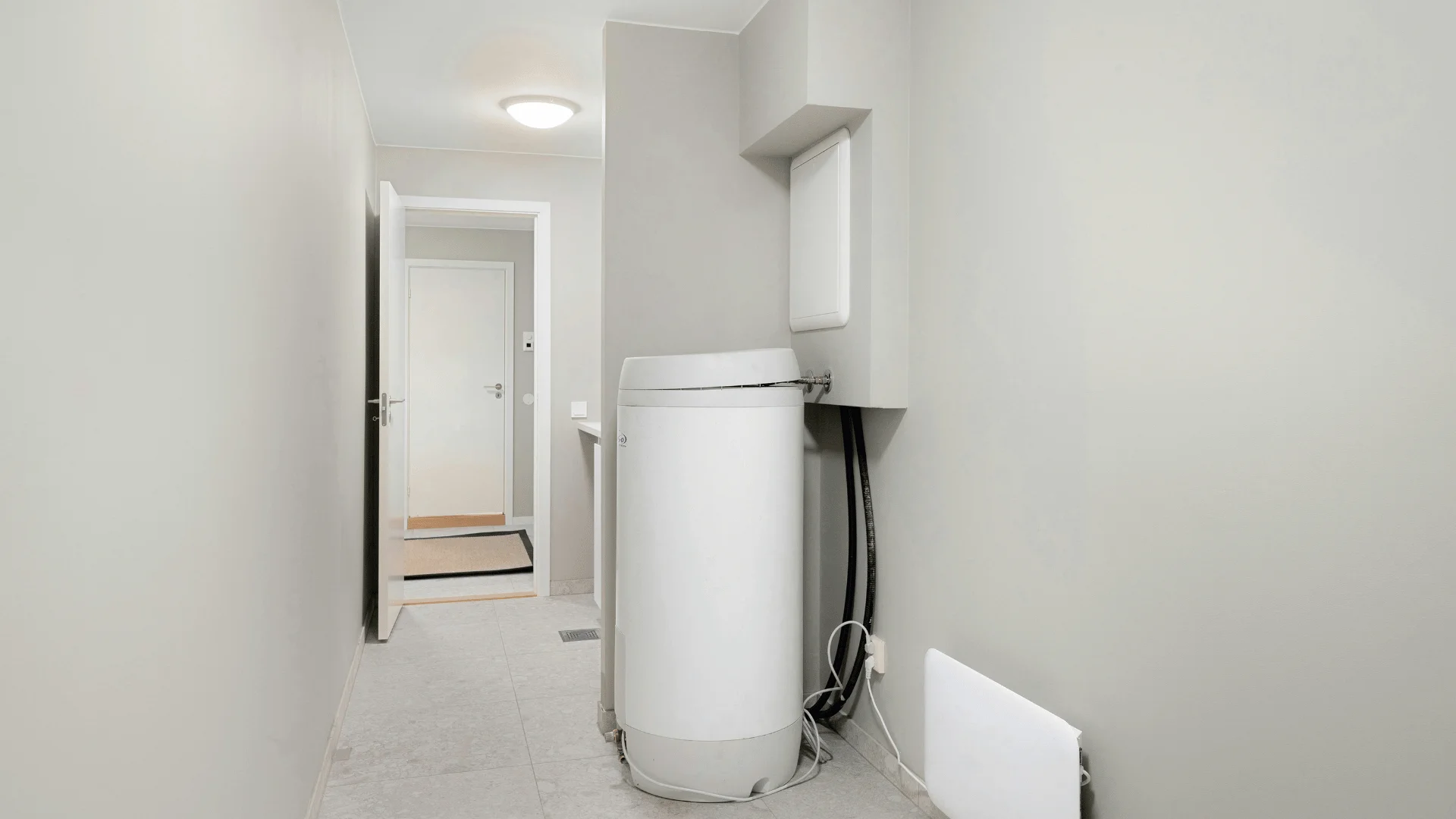
Most gas water heaters last between 8 and 12 years under normal use. Well-maintained units with good water quality may last up to 15 years, while neglected or heavily used systems often fail sooner. Over time, heat, pressure, and minerals take a toll on the tank and internal components. Routine maintenance can make the difference between early failure and a long service life.
What Affects the Lifespan of a Gas Water Heater
Water Quality
Hard water is one of the biggest factors in shortening a heater’s lifespan. Minerals such as calcium and magnesium settle in the bottom of the tank, forming a layer of sediment. This buildup forces the burner to work harder, reduces efficiency, and speeds up corrosion.
Maintenance Frequency
A water heater that’s flushed once a year and inspected regularly will outlast one that’s ignored. Checking the anode rod and burner assembly helps prevent overheating and tank corrosion.
Household Demand
Larger households or those with high hot water usage create more heating cycles, which wears out components faster. A properly sized tank ensures the heater isn’t constantly overworking to keep up with demand.
Installation Quality
Improper installation can shorten the unit’s life. Poor venting, incorrect pressure settings, or undersized gas lines can lead to overheating and premature failure. A licensed plumber ensures safe setup and long-term reliability.
Tank Material and Anode Rod
The anode rod attracts corrosive minerals and sacrifices itself to protect the tank’s metal lining. Replacing it every 3 to 5 years can extend the tank’s life by several years.
Signs Your Water Heater Is Nearing the End
As a water heater ages, warning signs appear:
- Inconsistent water temperature
- Rust-colored or cloudy hot water
- Rumbling or popping noises
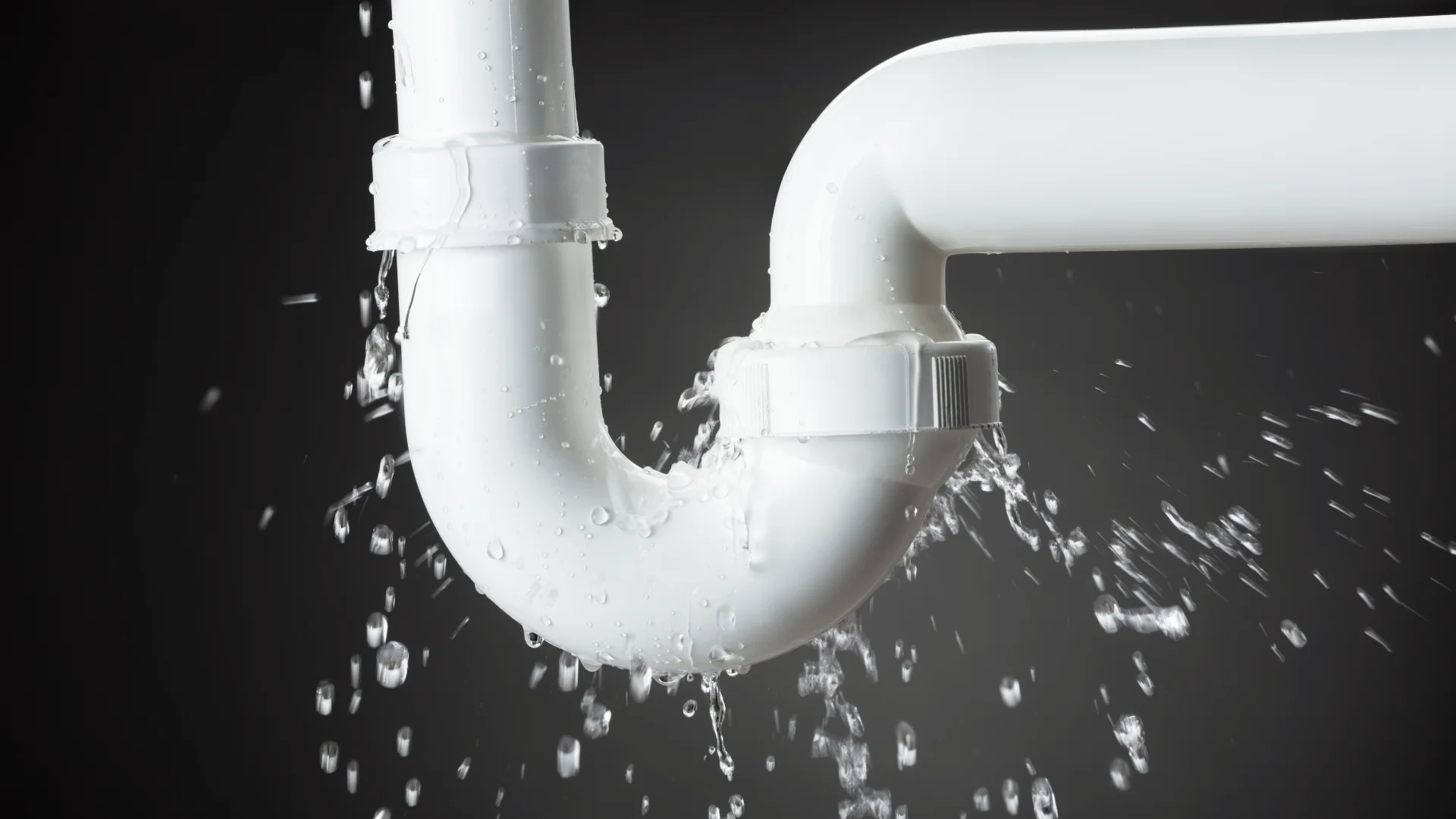
- Leaks around the tank base
- Reduced hot water supply
If your heater is 10 years or older and shows any of these symptoms, it’s likely nearing the end of its life.
How to Extend the Life of Your Gas Water Heater
A few easy maintenance steps can significantly improve longevity:
- Flush the tank once a year to remove sediment buildup.
- Replace the anode rod every few years.
- Test the pressure relief valve annually to ensure safety.
- Inspect the venting system for blockages or leaks.
- Schedule professional maintenance to catch small issues early.
Repair or Replace?
If your water heater is under 8 years old, most minor issues—such as a faulty thermostat or pilot light—can be repaired. If it’s over 10 years old, replacement is often the smarter choice. Newer gas water heaters are more energy-efficient and can reduce utility bills by up to 20 percent.
When to Consider an Upgrade
Replacing your water heater before it fails prevents leaks and water damage. Consider upgrading if:
- Your system is more than 10 years old.
- Hot water runs out faster than before.
- You notice rust or leaks.
- The heater makes loud noises.
- Energy costs are rising without increased usage.
Upgrading to a modern, energy-efficient, or tankless model ensures steady hot water and lower operating costs.
Professional Installation and Maintenance
Professional installation ensures your system runs safely and efficiently. Our licensed plumbers at Springdale Plumbing Services:
- Verify gas line and vent safety
- Set correct pressure and temperature levels
- Ensure code compliance in Springdale and NWA
- Register manufacturer warranties for coverage
We also offer maintenance plans to keep your water heater efficient year-round.
Conclusion
A gas water heater typically lasts 8 to 12 years, but proper care can extend its life well beyond a decade. Regular flushing, anode rod replacement, and annual inspections prevent breakdowns and maintain efficiency.
When your water heater starts showing signs of age, don’t wait until it fails. Contact Springdale Plumbing Services for expert inspection, honest advice, and professional installation of a dependable new unit.