Introduction
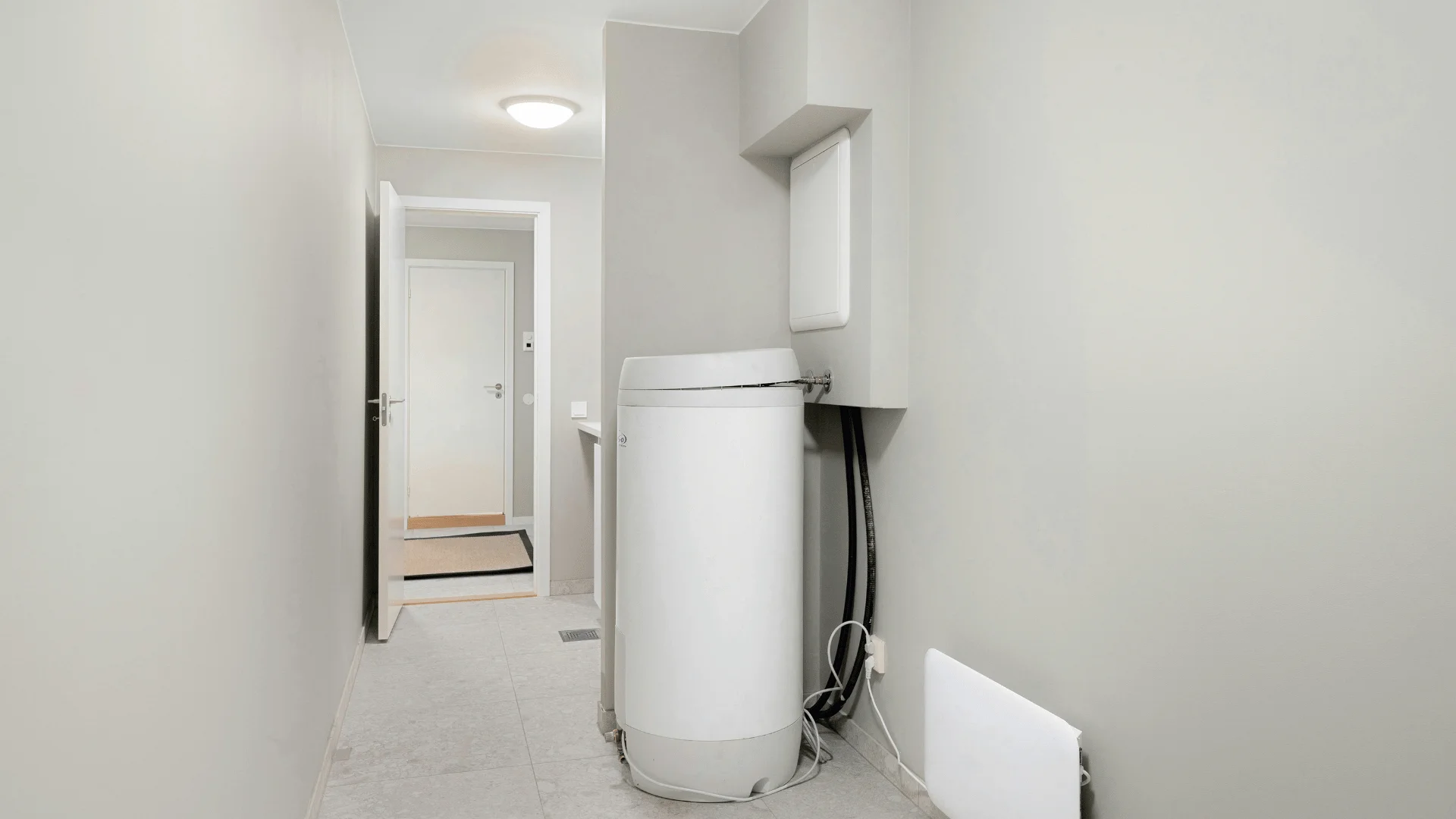
Your water heater works every day to supply hot water throughout your home. Over time, minerals and sediment settle inside the tank. That buildup causes inefficiency, strange noises, and in severe cases early failure. At Springdale Plumbing Services, we recommend a simple maintenance rhythm that fits Springdale and Northwest Arkansas water conditions, so your system runs safely and economically all year.
Why flushing a water heater is important
When water is heated, minerals like calcium and magnesium separate and collect at the bottom of the tank. As the layer thickens, several problems follow. Sediment acts like insulation and forces the burner or elements to work harder, which drives up energy use. Trapped pockets of water under the sediment create popping or rumbling sounds. Uneven heating can overwork the tank and attached components. Moisture in the sediment accelerates corrosion, which increases the risk of leaks. Flushing removes buildup, restores efficient heat transfer, and helps the tank last longer.
How often to flush a water heater
Most homes do well with an annual flush. Once every 12 months keeps sediment from hardening and makes maintenance fast and effective. If you have hard water, which is common in parts of Northwest Arkansas, schedule a flush every 6 months. If your home has very low usage, you may stretch to 18 months, although stagnant water can still contribute to corrosion. Tankless units do not store water, yet mineral scale can form on the heat exchanger. Plan on a yearly descaling flush to protect those internal components.
Signs your water heater needs flushing
Even if you do not remember the last service date, your system may be sending signals. Listen for rumbling or banging during heat cycles. Watch for discolored or rusty hot water. Pay attention to longer heat times, lukewarm water, or a reduced supply. Look for higher utility bills without a change in usage. Any one of these signs is enough reason to schedule a flush and inspection.
What happens during a professional flush
A thorough service is more than draining a few gallons. Our technicians shut off gas or power for safety, attach a drain line, and empty the tank completely. We flush with clean water until the discharge runs clear. We inspect the anode rod, the pressure relief valve, the thermostat settings, and visible fittings. Then we refill, purge air, restore power or gas, and confirm proper operation. This process clears sediment and verifies that safety components work as intended.
DIY or professional service
A homeowner can perform a basic drain and rinse if the shutoffs function and the drain valve is in good condition. For deeper maintenance, a professional visit is worth it. Hardened sediment can be stubborn and requires higher flow and proper technique. A licensed plumber can also spot small leaks, weak anode rods, or pressure issues before they become emergencies. Professional service helps with warranty compliance, since many manufacturers expect documented maintenance.
Benefits you will notice
Regular flushing pays for itself. A clean tank heats more efficiently, which reduces energy costs. Operation becomes quieter when sediment no longer snaps and pops. You get more consistent temperatures and a fuller volume of hot water. With less overheating and less corrosion, you lower the risk of mid-season breakdowns and expensive tank replacements. Clean water quality improves as rust and debris leave the system.
Special notes for Springdale homeowners
Local hard water accelerates mineral accumulation, so biannual flushing can be the best choice for many households. If your water heater sits in a garage or unconditioned space, consider adding a simple insulation blanket that is approved for your model, and make sure the area around the heater stays clear for airflow and service access. If your home uses a water softener, you can often follow the standard annual schedule, yet you should still monitor for noise and performance changes.
When to consider replacement instead of another flush
Flushing is preventive, not a cure for a failing tank. If your heater is near or past its expected service life, if the anode rod is severely depleted, or if you see repeated signs of internal corrosion, talk with a plumber about replacement options. Upgrading to a high-efficiency tank or a properly sized tankless unit can reduce operating costs and improve recovery times. A licensed installer will also verify code compliance, venting, and safety clearances.
How Springdale Plumbing Services can help
We provide water heater flushing, full safety inspections, anode rod evaluations, and honest guidance on repair versus replacement. We can set you up on an annual or semiannual maintenance plan that fits local water conditions. If you are experiencing noise, slow recovery, or inconsistent temperatures, we can diagnose the cause and restore performance quickly.
Conclusion
Flush your water heater once a year, or every 6 months in hard water conditions. This simple step clears sediment, reduces energy waste, and extends the life of your system. If it has been more than a year since your last service, contact Springdale Plumbing Services. We will clean, inspect, and optimize your heater so you can count on reliable hot water in every season.