Introduction
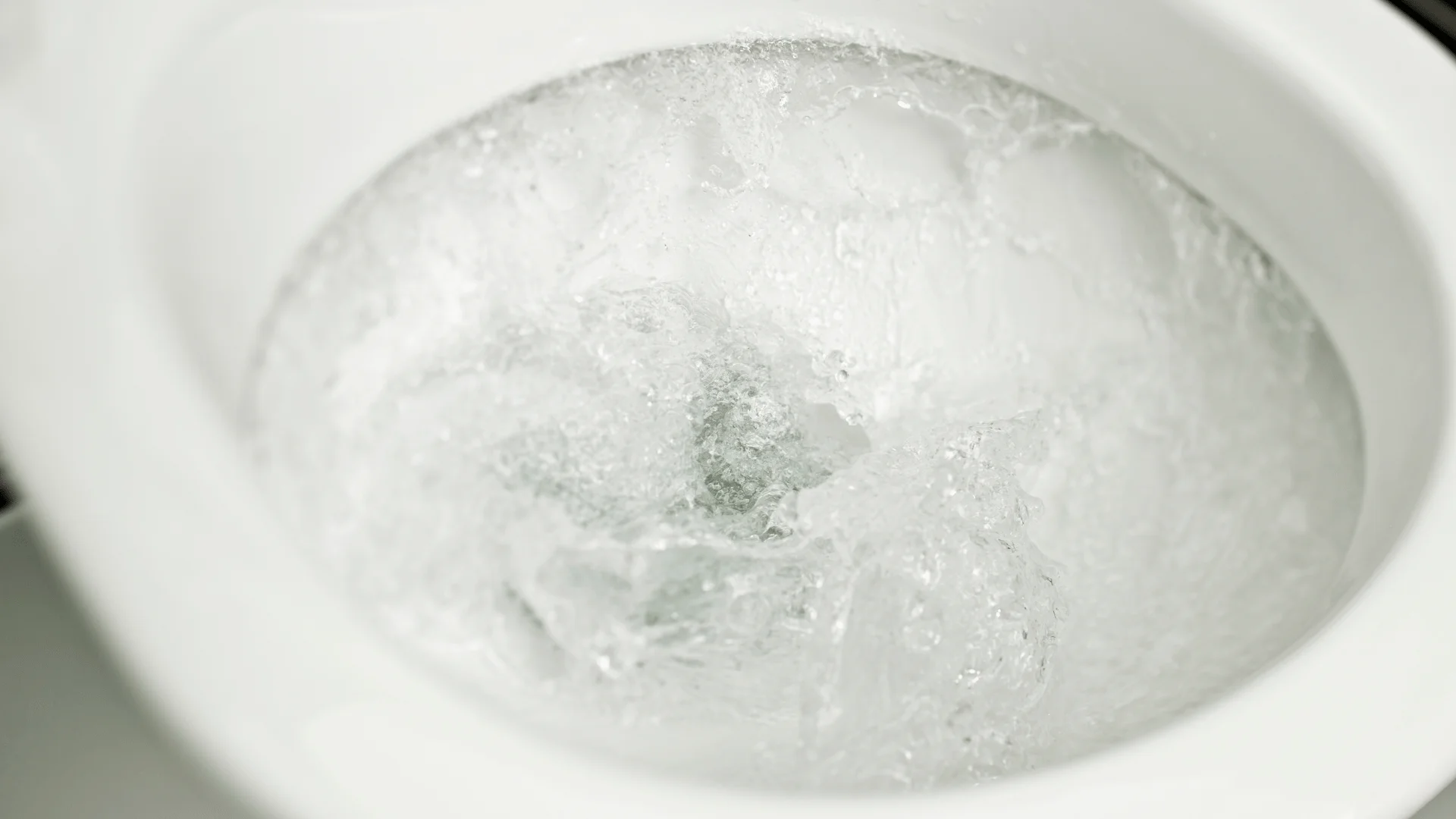
A running toilet is one of the most common plumbing issues homeowners face. While it may seem like a minor annoyance, a toilet that continues to run after flushing can waste hundreds of gallons of water each day. This not only increases your water bill but also places unnecessary strain on your plumbing system.
In most cases, a running toilet is caused by a worn or misaligned component inside the tank. These parts control the flow of water during and after each flush. When one of them fails, the toilet may continue to refill or leak water into the bowl. A plumber Springdale AR can inspect the tank and correct the issue before it leads to higher utility costs.
How a Toilet Is Supposed to Work
To understand why a toilet keeps running, it helps to know how the flushing system operates. Inside the tank, several components work together to control the water flow.
The main parts include:
- The flapper
- The fill valve
- The float
- The overflow tube
When you flush the toilet, the flapper lifts and allows water to flow from the tank into the bowl. Once the tank empties, the flapper closes, and the fill valve refills the tank. The float rises with the water level and shuts off the fill valve once the tank is full.
If any of these parts fail to work correctly, the toilet may continue running.
Worn or Damaged Flapper
The flapper is the rubber seal at the bottom of the tank. It lifts during a flush and then settles back into place to stop the flow of water. Over time, the flapper can wear out, become warped, or develop cracks.
When this happens, water slowly leaks from the tank into the bowl. The fill valve senses the drop in water level and continues to refill the tank, causing the toilet to run continuously.
Signs of a worn flapper include:
- A constant hissing sound
- The toilet refilling on its own
- The need to jiggle the handle to stop the water
Replacing the flapper is often a simple and inexpensive fix.
Faulty Fill Valve
The fill valve controls the water entering the tank after each flush. If this component becomes worn or clogged, it may fail to shut off properly.
When the fill valve does not close completely, water continues to flow into the tank. This can cause the water level to rise too high and spill into the overflow tube, resulting in a running toilet.
Common signs of a faulty fill valve include:
- Water constantly flowing into the tank
- A loud hissing noise
- Inconsistent tank refill levels
A plumber Springdale AR can replace the fill valve and restore proper function.
Improper Float Adjustment
The float is responsible for shutting off the fill valve when the tank reaches the correct water level. If the float is set too high, the tank will overfill.
When the water level rises above the overflow tube, excess water drains into the bowl. This causes the fill valve to keep running, even though the tank appears full.
Adjusting the float to the proper height usually solves this issue. However, if the float is damaged, it may need to be replaced.
Chain Problems Inside the Tank
The chain that connects the flush handle to the flapper can also cause a running toilet. If the chain is too tight, it may prevent the flapper from sealing properly.
If the chain is too loose, it may get caught under the flapper, keeping it from closing completely.
Signs of chain problems include:
- The handle feeling loose or stiff
- The flapper not sealing after a flush
- Intermittent running
Adjusting the chain length usually resolves the problem.
Cracked or Damaged Overflow Tube
The overflow tube is designed to prevent the tank from overfilling. If this tube becomes cracked or damaged, it may allow water to leak continuously into the bowl.
This type of issue is less common but can still cause a persistent running toilet. In these cases, the overflow tube may need to be replaced.
How a Running Toilet Increases Your Water Bill
Many homeowners underestimate how much water a running toilet can waste. Even a small leak inside the tank can allow water to flow continuously.
In some cases, a running toilet can waste hundreds of gallons per day. This can significantly increase your monthly water bill and strain your plumbing system.
Fixing the issue quickly helps conserve water and reduce costs.
When to Call a Professional
Some toilet repairs are simple enough for homeowners to handle, but others require professional tools and experience. If replacing the flapper or adjusting the float does not solve the problem, it is best to call a plumber.
You should contact a professional if:
- The toilet continues running after basic repairs
- You notice water around the base of the toilet
- The tank components are heavily corroded
- Multiple parts need replacement
A plumber Springdale AR can quickly identify the cause and perform the necessary repairs.
How Professionals Fix Running Toilets
Professional plumbers follow a systematic approach when diagnosing a running toilet. This usually involves:
- Inspecting all tank components
- Checking for leaks or worn parts
- Adjusting the float and chain
- Replacing faulty components
These steps ensure the toilet operates efficiently and reliably.
Conclusion
A toilet that keeps running is usually caused by a worn flapper, faulty fill valve, or improper float adjustment. While the problem may seem small, it can waste a large amount of water and increase your utility bills.
If your toilet continues to run after flushing, contact Springdale Plumbing Services. A plumber Springdale AR can inspect the tank, replace worn components, and restore proper operation.