Introduction
A sewage smell coming from your drain is more than just unpleasant. It is often a sign that something is wrong within your plumbing system. Drains are designed to carry wastewater out of your home while also preventing sewer gases from entering your living space. When that system is not working properly, those gases can escape and create strong, persistent odors.
Many homeowners assume a smelly drain is just a dirty pipe, but the cause can range from something simple to a more serious plumbing issue. The key is to identify the source of the odor early before it leads to backups, damage, or health concerns. A plumber near me can diagnose the cause and restore proper function to the system.
Dry P-Trap Allowing Sewer Gases to Escape
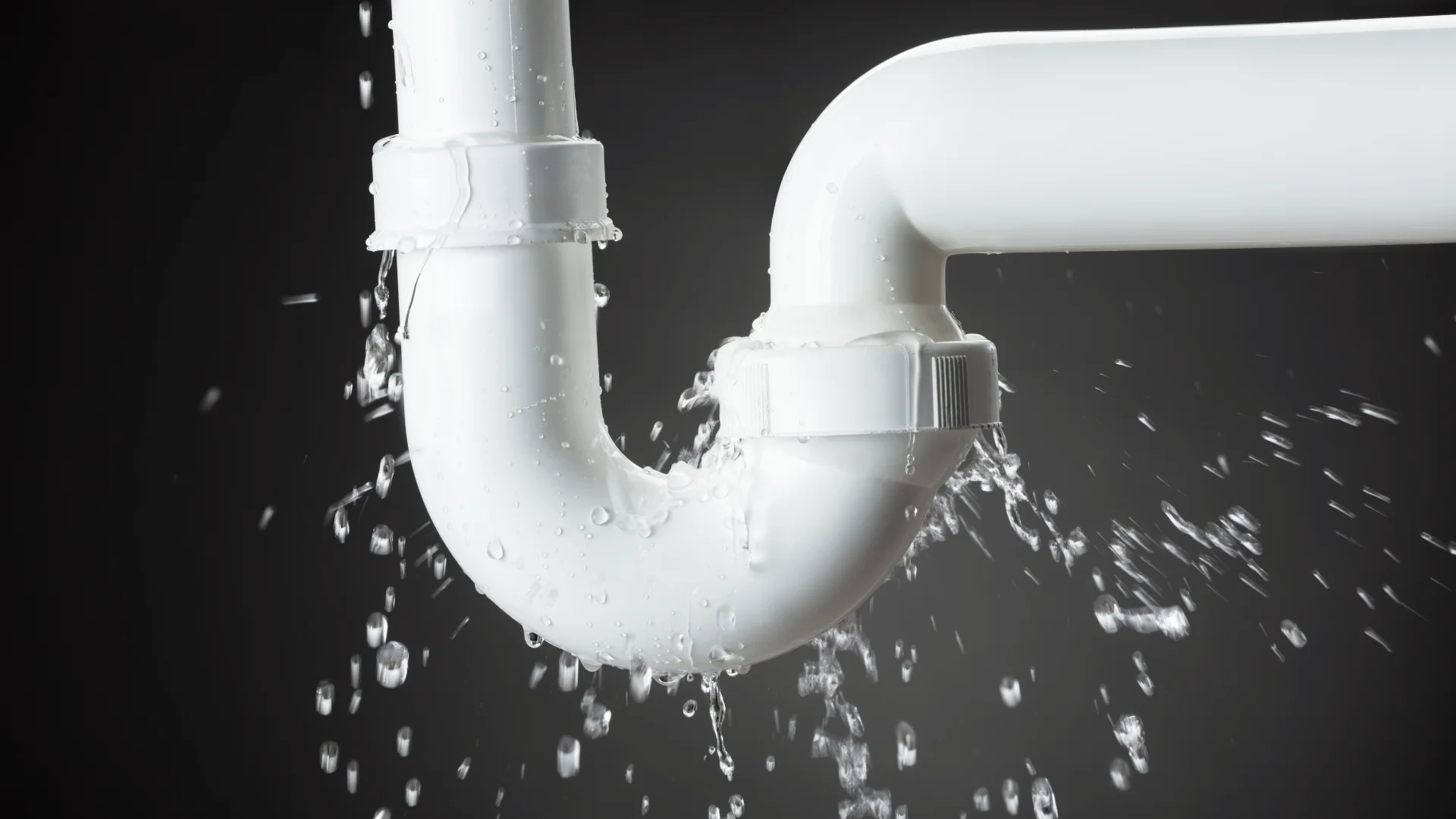
One of the most common causes of a sewage smell is a dry P-trap. The P-trap is the curved section of pipe located under sinks, tubs, and floor drains. It holds a small amount of water that acts as a barrier, preventing sewer gases from traveling back up into the home.
If a drain is not used for an extended period, the water in the trap can evaporate. Once that seal disappears, sewer gases can pass freely into the room.
This is especially common in:
- Guest bathrooms that are rarely used
- Basement floor drains
- Laundry room drains
- Vacation homes
Running water down the drain for a few seconds usually refills the trap and eliminates the smell.
Buildup Inside the Drain Line
Another common cause of sewer odors is organic buildup inside the drain. Over time, substances such as soap, grease, hair, and food particles can collect along the walls of the pipe.
As this material breaks down, it creates unpleasant odors that travel back up through the drain. This type of smell is especially common in kitchen sinks and bathroom drains.
Signs of buildup inside the drain include:
- Persistent odors near the sink or tub
- Slow draining water
- Gurgling sounds from the pipes
Professional drain cleaning removes the buildup and eliminates the odor at its source.
Clogged or Blocked Vent Pipes
Your plumbing system includes vent pipes that extend through the roof. These vents allow air to enter the system, which helps wastewater flow smoothly through the pipes. They also allow sewer gases to escape safely outside the home.
If a vent pipe becomes clogged with debris, leaves, or even animal nests, it can trap sewer gases inside the plumbing system. When this happens, those gases may escape through the nearest drain.
Common signs of a blocked vent include:
- Sewer odors coming from multiple drains
- Slow draining fixtures
- Gurgling noises when water flows
A plumber near me can inspect the vent system and remove the blockage.
Sewer Line Blockages
A blockage in the main sewer line can also cause foul odors inside the home. When wastewater cannot flow freely through the main line, it may begin to sit inside the pipes. This stagnant waste produces strong sewer gases that travel back into the house.
Sewer line blockages are often caused by:
- Tree root intrusion
- Grease buildup
- Flushed wipes or hygiene products
- Pipe damage or collapse
If the smell is accompanied by slow drains or backups, the main sewer line may be the source of the problem.
Bacterial Growth in the Drain
In some cases, sewer odors are caused by bacterial growth inside the drain. This is especially common in kitchen sinks, where food particles collect and begin to decompose.
The bacteria feed on the organic material and produce gases that create a foul smell. This type of odor is usually strongest near the drain opening.
Regular cleaning and maintenance can help prevent this problem. However, if the odor persists, a plumber near me may need to perform a professional cleaning.
Problems with the Sewer Cleanout or Seals
Loose or damaged seals around plumbing fixtures or the sewer cleanout can also allow sewer gases to enter the home. If the cleanout cap is missing or not properly sealed, gases from the sewer line may escape into the surrounding area.
Similarly, worn seals around toilets or floor drains can create small gaps where gases can pass through.
Signs of seal-related issues include:
- Odors near the base of a toilet
- Smells near the sewer cleanout
- Persistent sewer odors in one area
Replacing the seal or properly securing the cleanout cap usually resolves the issue.
How Professionals Diagnose Sewer Odors
Finding the source of a sewer smell is not always straightforward. Professional plumbers use a systematic approach to locate the problem.
This process may include:
- Inspecting traps and seals
- Checking vent pipes
- Performing drain cleaning
- Conducting sewer camera inspections
These steps help identify the exact source of the odor so it can be corrected properly.
How Sewer Odor Problems Are Fixed
The solution depends on the cause of the smell. Professional plumbers may:
- Refill or repair dry traps
- Clean buildup from drain lines
- Clear blocked vent pipes
- Remove sewer line blockages
- Replace damaged seals or components
These repairs eliminate the odor and restore the plumbing system to proper working order.
When to Call a Professional
While some drain odors can be fixed with simple maintenance, others require professional attention. If the smell persists after running water or cleaning the drain, it is best to call a plumber.
You should contact a professional if:
- The odor is strong or widespread
- Multiple drains smell at the same time
- You notice slow drains or backups
- The smell returns quickly after cleaning
A plumber near me can identify the root cause and provide a long-term solution.
Conclusion
A drain that smells like sewage is usually a sign of a dry trap, buildup inside the pipes, a blocked vent, or a sewer line issue. While some causes are simple, others require professional diagnosis and repair.
If you notice persistent sewer odors in your home, contact Springdale Plumbing Services. A plumber near me can inspect your system, remove the source of the smell, and restore a clean, odor-free environment.