Introduction
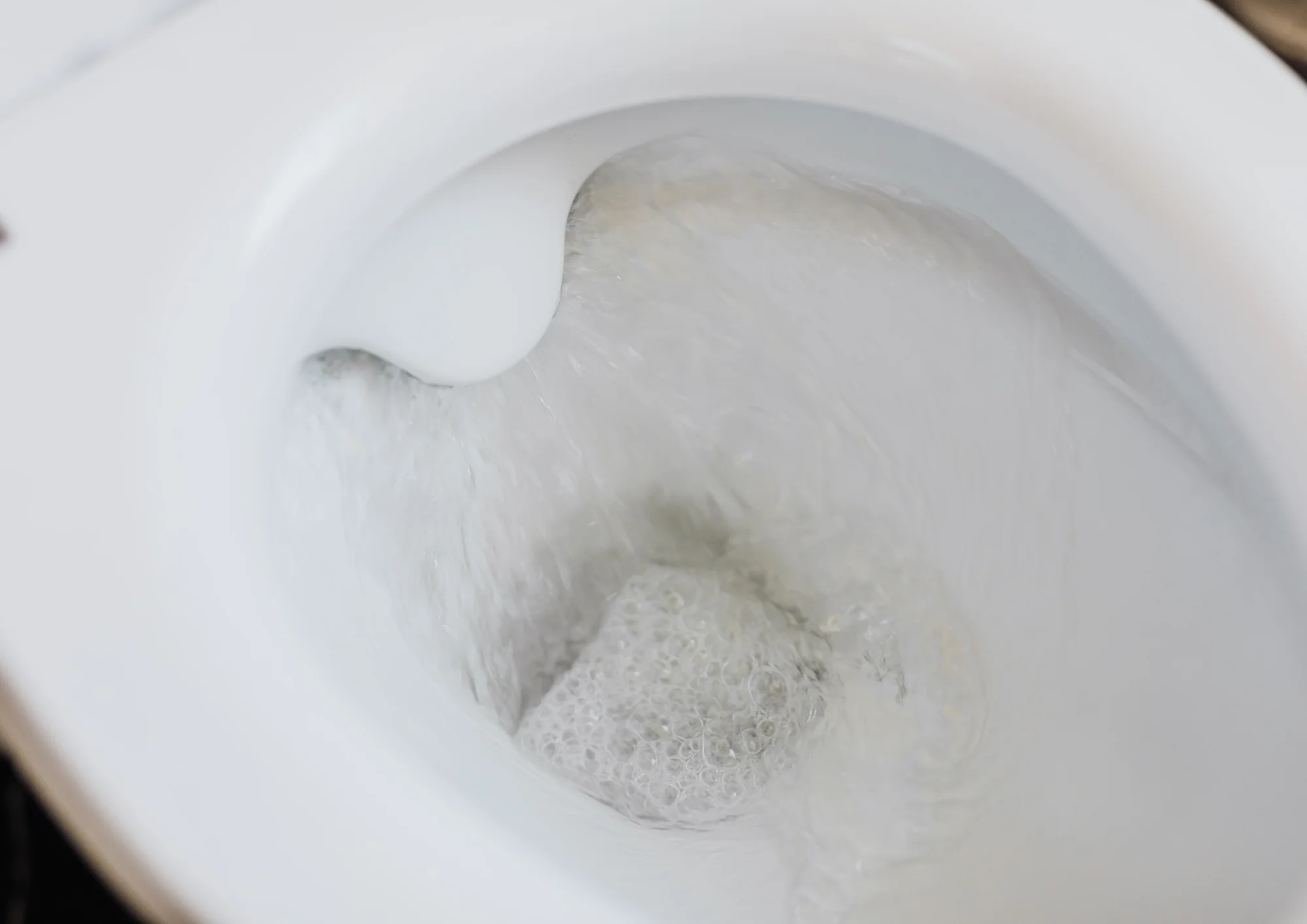
A toilet that keeps running after you flush is more than an annoyance. That steady sound means water is constantly flowing from the tank into the bowl and down the drain. Over time, this can waste hundreds of gallons of water and quietly drive up your water bill.
At Springdale Plumbing Services, running toilets are one of the most common calls we receive from homeowners across Springdale and Northwest Arkansas. The good news is that most causes are straightforward once you understand how the toilet works.
How a Toilet Works After You Flush
When you flush, water leaves the tank and enters the bowl. The flapper lifts, the tank empties, and the fill valve refills the tank. Once the water reaches the correct level, the fill valve shuts off and the flapper seals the opening at the bottom of the tank.
If any part of that process fails, the toilet can keep running.
Worn or Damaged Flapper
The flapper is a rubber seal at the bottom of the tank. Over time, it can warp, crack, or become stiff due to mineral buildup or age. When this happens, it no longer seals properly.
Signs of a bad flapper include:
- Toilet runs intermittently without being flushed
- Water slowly trickles into the bowl
- The tank refills repeatedly
A worn flapper is one of the most common and inexpensive fixes, but choosing the correct size and type matters.
Misadjusted Float
The float controls how much water fills the tank. If it is set too high, water spills into the overflow tube and the fill valve never shuts off.
Common indicators include:
- Water level sitting above the overflow tube
- Continuous running sound
- Tank never fully stopping its refill cycle
Adjusting the float often solves the problem, but older floats may need replacement.
Faulty Fill Valve
The fill valve controls how water enters the tank. Over time, internal parts wear out, especially in areas with mineral heavy water.
Symptoms of a failing fill valve include:
- Loud or hissing noises
- Slow tank refilling
- Water continuing to run even with a proper float setting
Replacing a fill valve is a precise repair that ensures proper pressure and shutoff.
Overflow Tube Issues
The overflow tube prevents flooding if the fill valve fails. If the water level is too high or the tube is cracked, water will constantly drain into the bowl.
Things to check include:
- Water flowing into the overflow tube
- Loose or damaged tube
- Float set above the recommended level
Overflow tube issues often point to a deeper problem with the fill system.
Loose or Improper Chain Length
The chain connecting the flush handle to the flapper needs just enough slack to open and close smoothly. If it is too long, it can get trapped under the flapper. If it is too short, the flapper may not fully seal.
Signs of chain problems include:
- Toilet runs only after certain flushes
- Handle feels loose or stiff
- Flapper does not settle correctly
This is a small adjustment that can make a big difference.
Why Ignoring a Running Toilet Is a Bad Idea
A running toilet wastes water every minute it goes unfixed. In many homes, this can mean thousands of gallons per month.
Long term risks include:
- Higher water bills
- Increased wear on toilet components
- Mineral buildup in the bowl
- Potential leaks from constant pressure
Fixing the issue early saves money and prevents further damage.
DIY Fix or Call a Plumber
Some running toilet issues can be handled with simple adjustments. However, if the toilet continues to run after replacing basic parts, there may be hidden issues.
You should call a professional plumber if:
- The toilet keeps running after multiple repairs
- You notice leaks around the base or tank
- Water pressure seems unusually high
- Parts do not fit correctly
At Springdale Plumbing Services, we inspect the entire toilet system to identify the true cause and fix it correctly the first time.
How Springdale Plumbing Services Can Help
Our licensed plumbers diagnose running toilets quickly and accurately. We replace worn components with high quality parts, check pressure levels, and ensure your toilet operates efficiently.
We also inspect surrounding plumbing to confirm there are no related issues contributing to the problem.
Conclusion
A toilet that keeps running after flushing is usually caused by a worn flapper, misadjusted float, faulty fill valve, or overflow issue. While the problem may seem small, ignoring it can lead to wasted water and higher bills.
If your toilet will not stop running, contact Springdale Plumbing Services. Our experienced plumbers will restore proper function and help you avoid unnecessary water loss.